We live in a culture that is obsessed with development. We invest years in professional development to advance our careers. We spend hours in the gym for physical development. We read endless books on personal development to become more productive or confident. Yet, despite checking all these boxes, many of us still feel a lingering sense of incompleteness.
It’s that quiet voice at 3 AM asking, “Is this all there is?” It’s the feeling of emptiness that success didn’t cure. It’s the sudden realization that while our resumes are full, our inner lives feel surprisingly thin.
This is where spiritual development comes in. Unlike other forms of growth that focus on what you have or what you do, spiritual development focuses on who you are at your deepest level. It isn’t about adopting a specific religion or renouncing the material world. It is a universal, human process of expanding your consciousness, deepening your connection to life, and finding a sense of peace that doesn’t depend on external circumstances.
This guide is designed to demystify the process. We will explore what spiritual development really means, the stages most people go through, and the practical ways you can nurture this essential part of your humanity.
What Is Spiritual Development?
At its most fundamental level, spiritual development is the process of waking up. It is a shift in identity from the “small self” (the ego, the personality, the social roles) to the “essential self” (the soul, consciousness, the observer).
When we are spiritually undeveloped, we tend to live in a state of reaction. We are easily triggered by stress, consumed by the need for approval, and driven by fear of the future or regret about the past. Our sense of worth is tied to things outside of us: our job title, our bank account, or our relationship status.
Spiritual development is the journey of untying those knots. It involves:
- Expanding Awareness: Moving from a narrow, self-centered perspective to a broader, more inclusive view of reality.
- Cultivating Inner Peace: Developing an internal anchor that holds steady regardless of the chaos in the external world.
- Deepening Connection: Recognizing that you are not an isolated island, but part of a vast, interconnected web of life.
- Aligning with Values: Living a life guided by intrinsic values like compassion, truth, and integrity, rather than extrinsic rewards.
It’s important to distinguish spiritual development from religion. Religion provides a specific framework, set of beliefs, and community rituals. Spiritual development is the internal growth process itself. You can be deeply religious and spiritually developed, or religious and spiritually stunted. Conversely, you can have no religious affiliation at all and be engaging in profound spiritual development.
Why Spiritual Development Matters Now
In our modern, high-speed world, spiritual development has moved from a luxury to a necessity. We are facing an epidemic of burnout, anxiety, and loneliness. We are more connected than ever digitally, yet feel more disconnected than ever emotionally and spiritually.
Ignoring your spiritual development is like trying to drive a car with a pristine exterior but no engine oil. Eventually, it will break down.
Cultivating your spiritual life offers tangible, real-world benefits:
- Emotional Resilience: You learn to witness your emotions without being drowned by them.
- Mental Clarity: A quiet mind makes better decisions and solves problems more creatively.
- Healthier Relationships: When you need less validation from others, you can love them more freely and authentically.
- A Sense of Purpose: You stop chasing what society tells you to want and start pursuing what actually fulfills you.

The Phases of Spiritual Development
While every individual’s journey is unique, spiritual development often follows a predictable trajectory. It’s rarely a straight line; it’s more of a spiral where we revisit lessons at deeper levels. Understanding these phases can help you navigate the confusing and sometimes difficult terrain of inner growth.
Phase 1: The Unconscious State (The Status Quo)
In this initial phase, we are “asleep” to our spiritual nature. We are fully identified with our thoughts and our ego. We believe that happiness comes from getting what we want—the promotion, the partner, the new car. When things go wrong, we blame the world. There is little self-reflection. Life happens to us.
Phase 2: The Awakening (The Catalyst)
Something happens to crack the shell of the ego. It might be a tragedy, like a divorce or illness, or a moment of profound beauty and insight. For the first time, we question the script we’ve been living. We realize that the material world cannot satisfy our deepest hunger. This phase is often marked by a sense of disorientation but also a thrill of possibility. We start asking the big questions: Who am I? Why am I here?
Phase 3: The Search (Gathering Tools)
Driven by a new curiosity, we become seekers. We read books, listen to podcasts, attend workshops, or explore different traditions. We are looking for answers and a map for the territory we’ve just discovered. We might start experimenting with practices like meditation, yoga, or prayer. This is an exciting phase of intellectual and experiential expansion.
Phase 4: The Purification (The Struggle)
This is often the hardest part of spiritual development. As we shine a light on our inner world, we don’t just find peace; we find our “shadow”—our repressed fears, anger, shame, and judgment. We realize that simply reading spiritual books isn’t enough; we have to do the work of healing. Old friendships might fall away. Old habits might stop working. This phase, sometimes called the “Dark Night of the Soul,” is a necessary detoxification. We are shedding the layers of who we aren’t to make space for who we are.
Phase 5: The Integration (Embodiment)
The storm passes. We stop trying so hard to “get somewhere” and start learning to be here. The insights we gained move from our heads to our hearts. We become more authentic, more patient, and more kind. We stop compartmentalizing our lives (“I’m spiritual on Sunday but ruthless at work on Monday”) and start living our values consistently. Spiritual development becomes a way of life, not just a hobby.
Phase 6: Service and Surrender (The Flow)
In mature spiritual development, the focus shifts from “me” to “we.” We recognize our deep interconnection with all beings. Our primary motivation becomes love and service. We trust the flow of life rather than trying to control it. There is a deep, abiding peace that isn’t shaken by the ups and downs of daily existence. We become a presence of calm in a chaotic world.
Core Practices for Spiritual Development
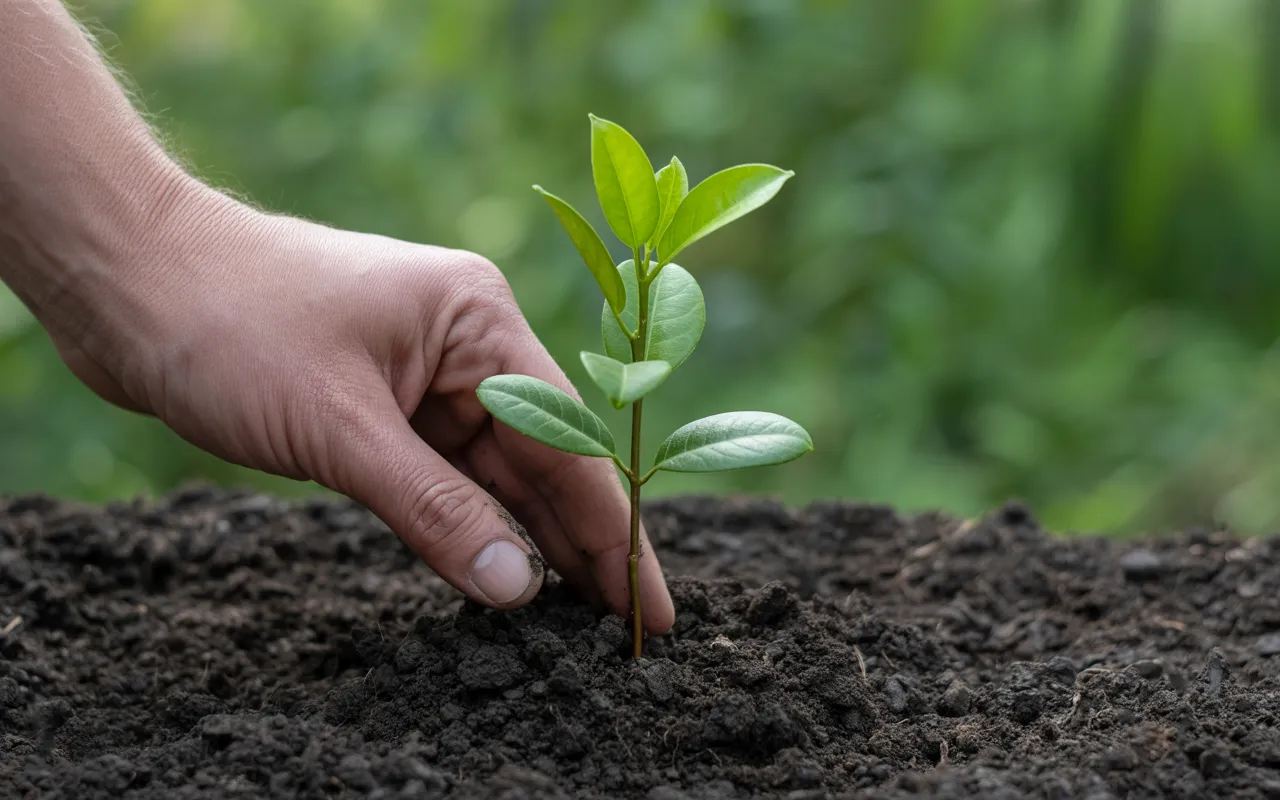
You cannot force a flower to bloom, but you can water it, give it sunlight, and ensure the soil is healthy. Similarly, you cannot force spiritual development, but you can create the conditions that allow it to flourish.
Here are essential practices that act as the “nutrients” for your spiritual growth.
1. Cultivating Stillness (Meditation)
We live in an attention economy that constantly pulls us outward. Spiritual development requires turning inward. Meditation is the practice of simply sitting with yourself. It trains you to observe your mind without getting lost in the drama of your thoughts.
Start small. Even 10 minutes a day can begin to rewire your brain. The goal isn’t to stop thinking (that’s impossible); the goal is to stop being a slave to your thinking. In the gaps between thoughts, you find the peace that is your true nature.
2. Radical Self-Inquiry
Spiritual development requires honesty. You must be willing to look in the mirror and ask difficult questions.
- Why did that comment trigger me so much?
- What am I actually afraid of right now?
- Am I doing this for myself, or for approval?
Journaling is a powerful tool for self-inquiry. By writing your thoughts down, you externalize them, making it easier to spot patterns and limiting beliefs that are holding you back.
3. Shadow Work
The “shadow” refers to the parts of ourselves we deny, hide, or reject—our jealousy, rage, insecurity, and selfishness. Spiritual bypassing happens when we use “positive vibes only” to avoid looking at this darkness. True development demands that we face our shadow with compassion.
When a negative emotion arises, instead of pushing it away, invite it in. Ask what it has to teach you. Healing comes from integration, not suppression. You become whole by accepting all parts of yourself.
4. Conscious Consumption
Just as junk food impacts your physical health, “junk input” impacts your spiritual health. Pay attention to what you are feeding your mind. Are you consuming constant outrage news, violent media, or superficial gossip? Or are you consuming content that inspires, educates, and uplifts you?
This also applies to the people you spend time with. Surround yourself with a community that supports your growth and challenges you to be your best self.
5. Embracing Impermanence
A core realization in spiritual development is that everything in the material world is temporary. Relationships change, bodies age, careers end. Much of our suffering comes from trying to make the impermanent permanent.
Practicing non-attachment doesn’t mean you don’t care. It means you love fully and deeply, but with an open hand rather than a clenched fist. You enjoy the moment without desperately clinging to it. This acceptance of flow brings profound freedom.
6. Service to Others (Seva)
The ultimate antidote to the ego is service. When we are stuck in our own heads, our problems feel massive. When we help others, we gain perspective.
Service doesn’t have to be grand. It can be listening deeply to a friend, helping a neighbor, or doing your job with integrity and kindness. When you act from a place of service, you align yourself with the interconnected nature of reality.
Overcoming Common Obstacles
The path of spiritual development is rarely smooth. Knowing the common pitfalls can help you stay the course when things get tough.
The Trap of “Spiritual Ego”
Sometimes, the ego hijacks our spirituality. We start feeling superior to others because we meditate, eat vegan, or read the “right” books. We judge people who are “asleep.” This is a dangerous trap. True spiritual development leads to humility, not arrogance. If your spirituality makes you feel better than everyone else, it’s not spirituality—it’s just the ego in a new costume.
Impatience and Frustration
We live in a culture of instant gratification. We want enlightenment, and we want it by Tuesday. When we don’t see immediate results, or when we slide back into old habits, we get frustrated.
Remember that spiritual development is a lifelong process. It’s more like gardening than manufacturing. There will be seasons of rapid growth and seasons of dormancy. Trust the timing of your life. Be gentle with yourself when you stumble.
Fear of Change
As you change internally, your external life will often change to match. You might outgrow certain friendships, lose interest in your current job, or feel the need to move. This can be terrifying. The ego loves safety and predictability.
Courage is an essential component of spiritual development. You have to be willing to let go of the good to make room for the great. Trust that when you align with your truth, life will support you in unexpected ways.
Integrating Spirituality into Daily Life
The true test of spiritual development isn’t how peaceful you feel on a meditation cushion or at a weekend retreat. The test is how you handle a traffic jam, a difficult boss, or a crying toddler.
Integration means bringing the sacred into the mundane. It means:
- Washing the dishes with presence: Feeling the warm water, noticing the soap bubbles, being fully in the activity rather than rushing to finish.
- Listening without planning your response: Giving someone your full, undivided attention.
- Pausing before reacting: Taking one conscious breath when you get triggered, creating a space to choose a better response.
- Finding gratitude in the ordinary: Noticing the sunlight on the floor, the taste of your coffee, the sound of rain.
When you start to live this way, you realize that you don’t have to “go” anywhere to find the spiritual. It is right here, woven into the fabric of your ordinary Tuesday.

Conclusion: The Journey Home
Spiritual development is the most important work you will ever do. It is the work of becoming fully human. It is the process of peeling back the layers of fear, conditioning, and separation to reveal the love and wisdom that have been there all along.
It is not a destination you reach and then stop. It is a continual unfolding, a deepening, a widening of your capacity for life. There will be peaks and valleys, moments of crystal clarity and moments of fog. All of it is part of the path.
So, start where you are. Be kind to yourself. Stay curious. The version of you that is waiting to emerge is more resilient, more joyful, and more connected than you can currently imagine. Your development has already begun; all that is left is to say yes to the journey.