We often measure growth in visible ways. We track our careers by promotions, our relationships by anniversaries, and our physical health by what the scale says. But there is another kind of growth that is less visible but arguably more vital to our happiness: spiritual growth.
It’s the quiet evolution that happens beneath the surface. It’s the softening of a temper, the deepening of patience, or the sudden realization that you are more connected to the world around you than you previously thought. Unlike building a house or learning a language, spiritual growth doesn’t always have clear benchmarks. It can feel mysterious, non-linear, and deeply personal.
So, what does it actually mean to grow spiritually? Is it about meditating for hours? Is it reserved for religious people? Or is it something more universal that anyone can experience?
This guide explores the concept of spiritual growth not as an abstract ideal, but as a practical, tangible process of inner evolution. We will break down what it is, why it matters, the stages you might experience, and the everyday practices that can help you cultivate a richer, more expansive inner life.
What Is Spiritual Growth?
At its core, spiritual growth is the process of shedding your limited identity—the ego—to connect with your true, authentic self. It is an expansion of consciousness.
When we are “spiritually immature,” we tend to view the world through a lens of separation and fear. We are driven by the need to protect our image, accumulate possessions, and defend our opinions. We see ourselves as isolated individuals fighting for survival in a hostile world.
Spiritual growth is the movement away from this fear-based state toward a state of love, connection, and inner peace. It involves:
- Deepening Self-Awareness: Becoming the observer of your thoughts and emotions rather than being controlled by them.
- Cultivating Compassion: Recognizing the shared humanity in others and moving from judgment to understanding.
- Finding Meaning: Aligning your life with values that go beyond personal gain.
- Experiencing Connection: Sensing that you are part of a larger whole, whether you call that God, the Universe, Nature, or Consciousness.
It’s important to note that spiritual growth is not about becoming “perfect.” It’s not about erasing your human emotions or never having a bad day. Instead, it’s about increasing your capacity to handle life’s ups and downs with grace, wisdom, and resilience.
Spiritual Growth vs. Personal Development
You might be wondering, “How is this different from self-help?” The two definitely overlap, but there is a key distinction in their ultimate goals.
Personal Development (or self-help) typically focuses on improving the “self” or the ego. It’s about becoming a better version of you. Goals might include being more productive, building confidence, or achieving career success. It’s about effective functioning in the world.
Spiritual Growth goes a step further. It challenges the very idea of the “self” you are trying to improve. It asks: Who is the one seeking success? Who is the one feeling insecure? While personal development polishes the mask, spiritual growth encourages you to take the mask off entirely and see what lies beneath.
Why Does Spiritual Growth Matter?
In a world obsessed with external achievements, prioritizing your inner world can feel counterintuitive. Why spend time meditating or reflecting when there are bills to pay and emails to answer?
The reality is that your internal state dictates the quality of your external life. You can have all the wealth and status in the world, but if your mind is filled with anxiety, judgment, and fear, you cannot truly enjoy it.
Spiritual growth offers profound benefits that ripple out into every area of your life:
- Emotional Resilience: You stop being a slave to your external circumstances. You learn to find a center of calm even when life is chaotic.
- Better Relationships: When you need less validation from others, you can love them more freely. You react less and listen more.
- ** Clarity of Purpose:** As the noise of the ego quiets down, you can hear your intuition more clearly, guiding you toward choices that truly align with your soul.
- Reduced Stress: By letting go of the need to control everything, you release a massive amount of mental tension.

The Stages of Inner Evolution
Just as a child grows through distinct developmental stages, our spirits evolve through phases. While everyone’s timeline is unique, and you may cycle through these stages multiple times, this framework can help you understand where you are.
1. The Sleep State (Unawareness)
In this stage, life is lived entirely on the surface. We are identified completely with our thoughts, our bodies, and our social roles. Happiness is dependent on external conditions: “I’ll be happy when I get that job/partner/house.” There is little to no self-reflection. We react to life on autopilot, driven by subconscious patterns we aren’t even aware of.
2. The Awakening (The Call)
Something happens to shake us awake. It could be a crisis—a divorce, a health scare, a loss—or a spontaneous moment of beauty and insight. For the first time, we question the script we’ve been handed. We realize there must be more to life than the daily grind. A hunger for truth and meaning begins to stir. This is the seed of spiritual growth.
3. The Exploration (Seeking)
We become seekers. We read books, attend workshops, try yoga, or explore different religions. We are looking for answers and tools. This is an exciting phase of gathering knowledge. We are trying to understand the new feelings and questions arising within us. We start to adopt practices like meditation or journaling to facilitate this discovery.
4. The Dark Night of the Soul (Purification)
This is the most challenging stage. As we grow, the old structures of our life—and our identity—begin to crumble. The things that used to satisfy us no longer do. We may feel lost, lonely, or depressed. This is not a punishment; it is a purification. The ego is fighting to maintain control, but the soul is pushing for expansion. We are being asked to let go of who we thought we were to make space for who we really are.
5. The Integration (Embodiment)
The dust settles. We stop striving so hard to “find” enlightenment and start living it. The insights we gained during the seeking phase move from our heads to our hearts. We become more authentic. We start to respond to life with wisdom rather than reacting out of habit. Spiritual practice becomes less of a “to-do” list item and more of a way of being.
6. The Surrender (Flow)
In this advanced stage of spiritual growth, the sense of separation dissolves significantly. We trust life completely. We stop fighting against reality and learn to flow with it. There is a deep, abiding sense of peace and connection that isn’t easily shaken by external events. We are no longer trying to force outcomes; we are acting as instruments of a higher wisdom.
Practices to Cultivate Spiritual Growth
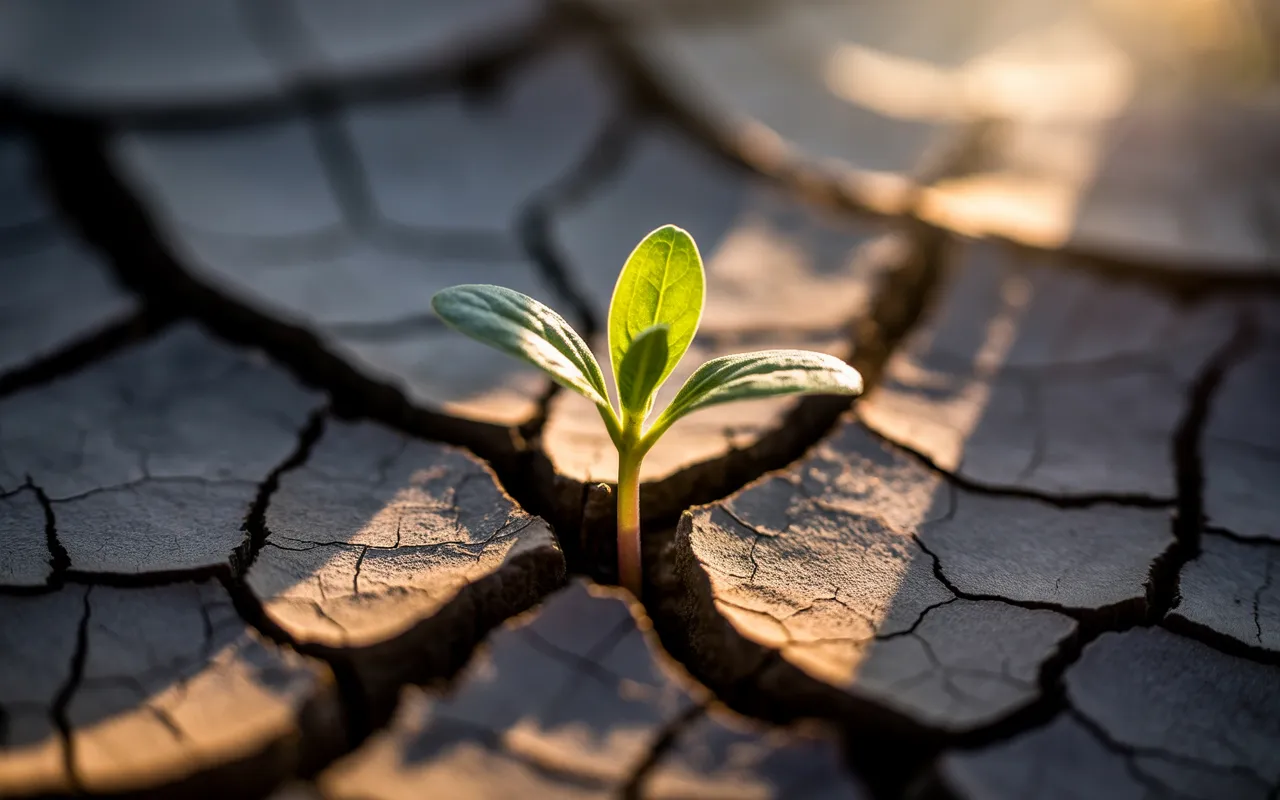
You cannot force a flower to grow by pulling on it, but you can water the soil and ensure it gets sunlight. Similarly, you cannot force spiritual growth, but you can create the conditions that allow it to flourish.
Here are the most effective “nutrients” for your inner evolution.
1. Cultivate Stillness and Silence
We live in a noise-polluted world. To hear the whisper of your soul, you must turn down the volume of the world.
- Meditation: This is the gym for your spirit. It trains you to observe your thoughts without getting lost in them. Start with just 5-10 minutes a day.
- Nature Immersion: Spend time in nature without your phone. The natural world vibrates at a frequency of peace and balance that helps realign our own energy.
- Solitude: Regularly carve out time to be alone with yourself. Learn to be comfortable in your own company without distraction.
2. Practice Radical Self-Inquiry
Spiritual growth requires honesty. You must be willing to look at yourself—the good, the bad, and the ugly—without looking away.
Ask yourself difficult questions:
- Why did that comment make me so angry?
- What am I actually afraid of right now?
- Is this belief mine, or did I inherit it from my parents?
Journaling is a powerful tool for this. By writing down your thoughts, you can see them objectively and begin to untangle the knots of your psyche.
3. Embrace Shadow Work
The “shadow” refers to the parts of ourselves we hide, deny, or reject—our jealousy, rage, shame, and insecurity. We often try to bypass these feelings in the name of “being positive,” but this only pushes them deeper into the subconscious.
True spiritual growth demands that we integrate the shadow. When you feel a “negative” emotion arise, instead of suppressing it, get curious. Invite it in for tea. Ask what it has to teach you. By accepting these parts of yourself, you reclaim the energy you were using to hide them.
4. Practice Forgiveness
Holding onto resentment is like drinking poison and expecting the other person to die. It keeps you tethered to the past and blocks your heart.
Forgiveness is not about condoning bad behavior. It is about freeing yourself from the heavy burden of anger. It is a spiritual act of cutting the energetic cord that binds you to a painful event. Remember, forgiveness also includes forgiving yourself for your own past mistakes.
5. Service and Connection
Spiritual growth is an inward journey, but its ultimate expression is outward. As you realize your connection to all things, you naturally desire to serve.
This doesn’t mean you have to sell everything and become a monk. It can be as simple as:
- Listening deeply to a friend who is struggling.
- Doing your job with integrity and kindness.
- Volunteering for a cause you care about.
- Practicing random acts of kindness.
When you serve others, you step out of the small, self-centered ego and into the expansive flow of life.

Common Obstacles on the Path
The path of spiritual growth is simple, but it is not easy. There are common traps that almost everyone falls into at some point. Being aware of them can help you navigate them more quickly.
The Trap of “Spiritual Bypassing”
This occurs when we use spiritual beliefs to avoid dealing with painful feelings or unresolved psychological issues. For example, saying “everything happens for a reason” to avoid grieving a loss, or using meditation to dissociate from emotional pain. Remember: you have to feel it to heal it. Spiritual growth is inclusive of our humanity, not an escape from it.
The “Spiritual Ego”
Sometimes, the ego hijacks our spiritual growth. We start to feel superior to others because we meditate, eat vegan, or read deep books. We judge those who are “asleep.” This is just the ego wearing a new, spiritual disguise. True growth leads to humility, not arrogance. If your spirituality makes you feel better than others, it’s not spirituality—it’s ego.
Impatience and Judgment
We live in a culture of instant gratification. We want enlightenment now. When we don’t see immediate results, or when we slip back into old habits, we judge ourselves harshly.
Spiritual growth is a slow, organic process. It’s more like gardening than manufacturing. There will be seasons of rapid growth and seasons of dormancy. Trust the timing of your life. Be patient with your stumbling. Every time you fall and get back up with kindness, you grow.
Integrating Spirituality into Daily Life
The ultimate test of spiritual growth is not how peaceful you feel on a yoga mat, but how you handle a stressful commute, a difficult boss, or a crying toddler.
How do we bring the sacred into the mundane?
1. Mindfulness in Action: You don’t have to stop what you are doing to be spiritual. You just have to change how you are doing it. Wash the dishes with full attention to the warmth of the water. Walk the dog while really noticing the trees. Bring presence to the ordinary moments.
2. The Pause: Before you react to a trigger, take one deep breath. That tiny pause creates a space between the stimulus and your response. In that space lies your freedom to choose a different, more evolved reaction.
3. See Everyone as a Teacher: The annoying neighbor? A teacher of patience. The critical boss? A teacher of self-worth. When you view life this way, every interaction becomes an opportunity for growth rather than a source of frustration.
Conclusion: The Never-Ending Journey
Spiritual growth is not a destination. There is no finish line where you receive a certificate of completion and stop evolving. It is a lifelong journey of unfolding.
There will be peaks and valleys. There will be moments of crystal-clear insight and moments of foggy confusion. All of it is part of the process.
By committing to your spiritual growth, you are making the most important investment of your life. You are investing in the quality of your consciousness, the depth of your love, and the peace of your own heart.
So, start where you are. Be gentle with yourself. Stay curious. The version of you that is waiting to be discovered is more expansive, resilient, and joyful than you can currently imagine. Your evolution has already begun.